
Gemologist and authentication specialist. She has spent two decades telling people the two sentences they least expect: “this is worth more than you think,” and “this isn’t what the label says.”
The single most expensive mistake I see is not selling to the wrong buyer. It is selling something unverified. A piece with no proof behind it is, to a serious bidder, a guess — and people do not pay top money for guesses. Authentication is the quiet step that turns “probably gold” into “documented gold,” and it routinely moves the final number more than any negotiation ever could.
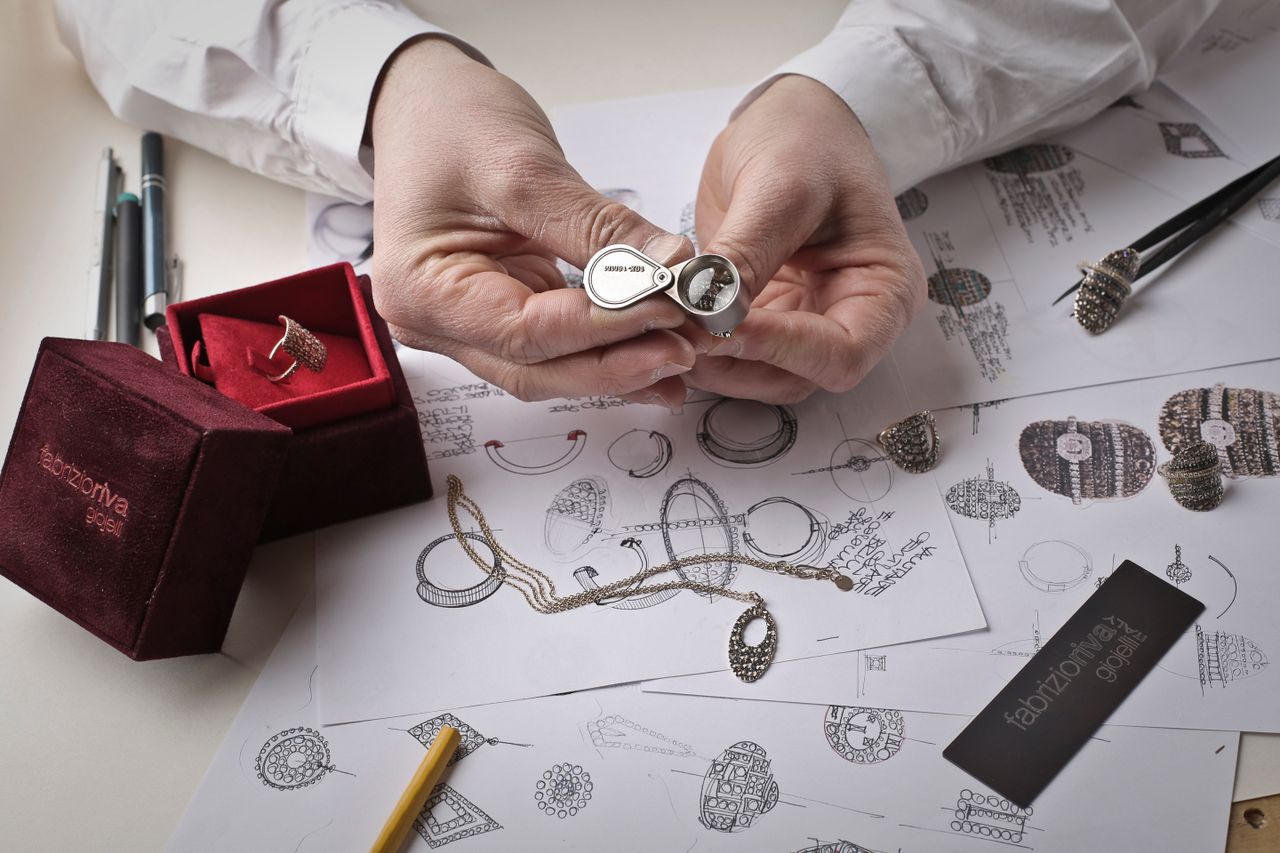
What “authentic” really means when you sell
Authenticity is not one yes-or-no answer; it is a stack of small confirmations. Is the metal what it claims? Is the maker real and correctly attributed? Is the gemstone natural or treated? Does the history hold together? Each confirmed layer removes a reason for a buyer to discount you — and every removed doubt is money that stays in your pocket instead of theirs.
The four things an authenticator actually checks
- Marks and hallmarks. Purity stamps, maker’s marks, assay symbols and serial numbers are the first language a specialist reads. A worn or missing mark is not a dealbreaker, but a clear, correct one is instant credibility.
- The loupe and the bench. Under magnification, the truth shows up: solder lines, replaced stones, re-cut facets, the wrong kind of wear. This is where “looks old” becomes “is old,” or quietly does not.
- Paperwork and provenance. Original boxes, receipts, certificates and a believable chain of ownership do real work. For watches especially, the documents can be worth as much as the movement.
- Weight, metal and assay. Precise weighing and metal testing separate solid from plated, and karat from wishful thinking. Numbers do not flatter anyone — which is exactly why bidders trust them.
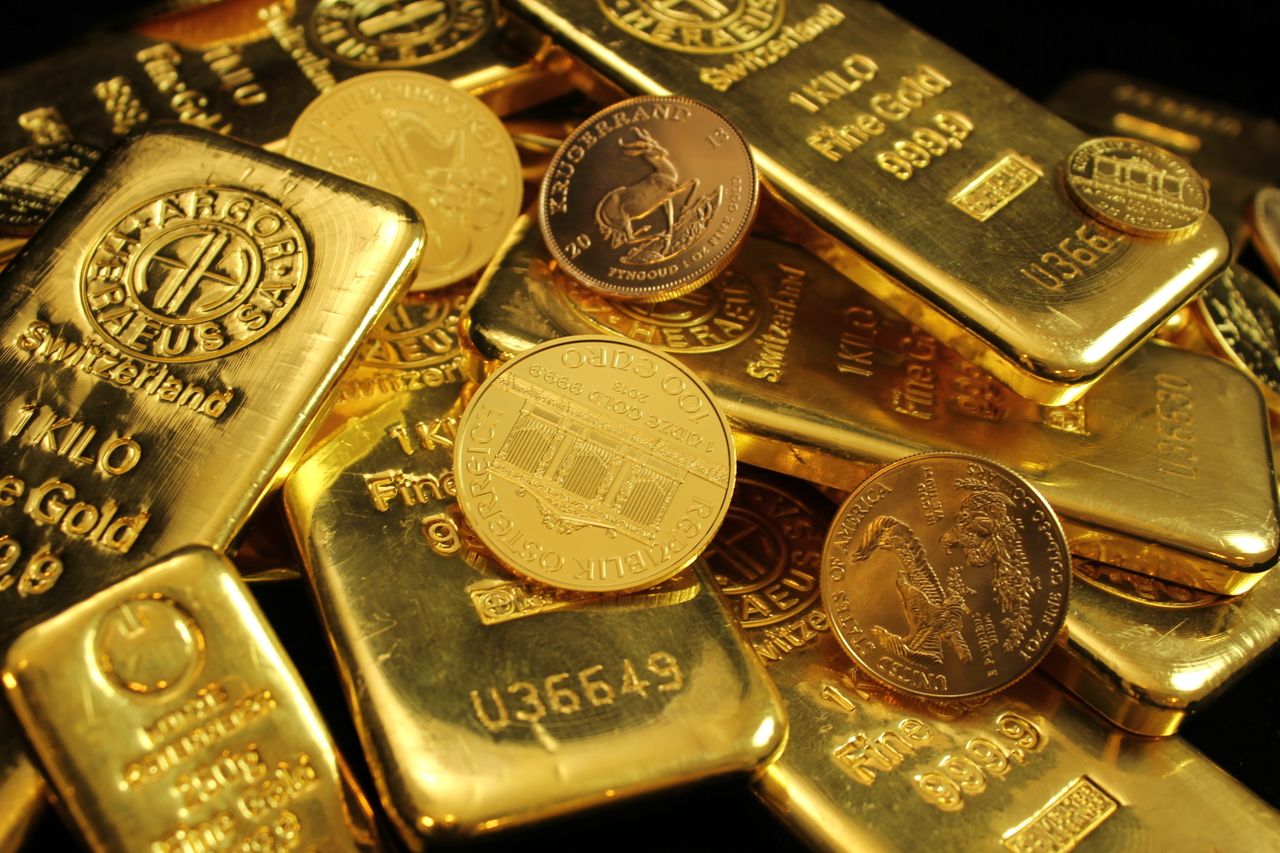
Why authentication quietly raises your price
Think about it from the bidder’s side. Two near-identical lots come up; one is verified, one is “as found.” The verified lot attracts more bidders, and more bidders means more competition, and competition is the only thing that reliably pushes a price up. Authentication does not just protect you from selling a fake by accident — it actively widens the room of people willing to fight for your piece.
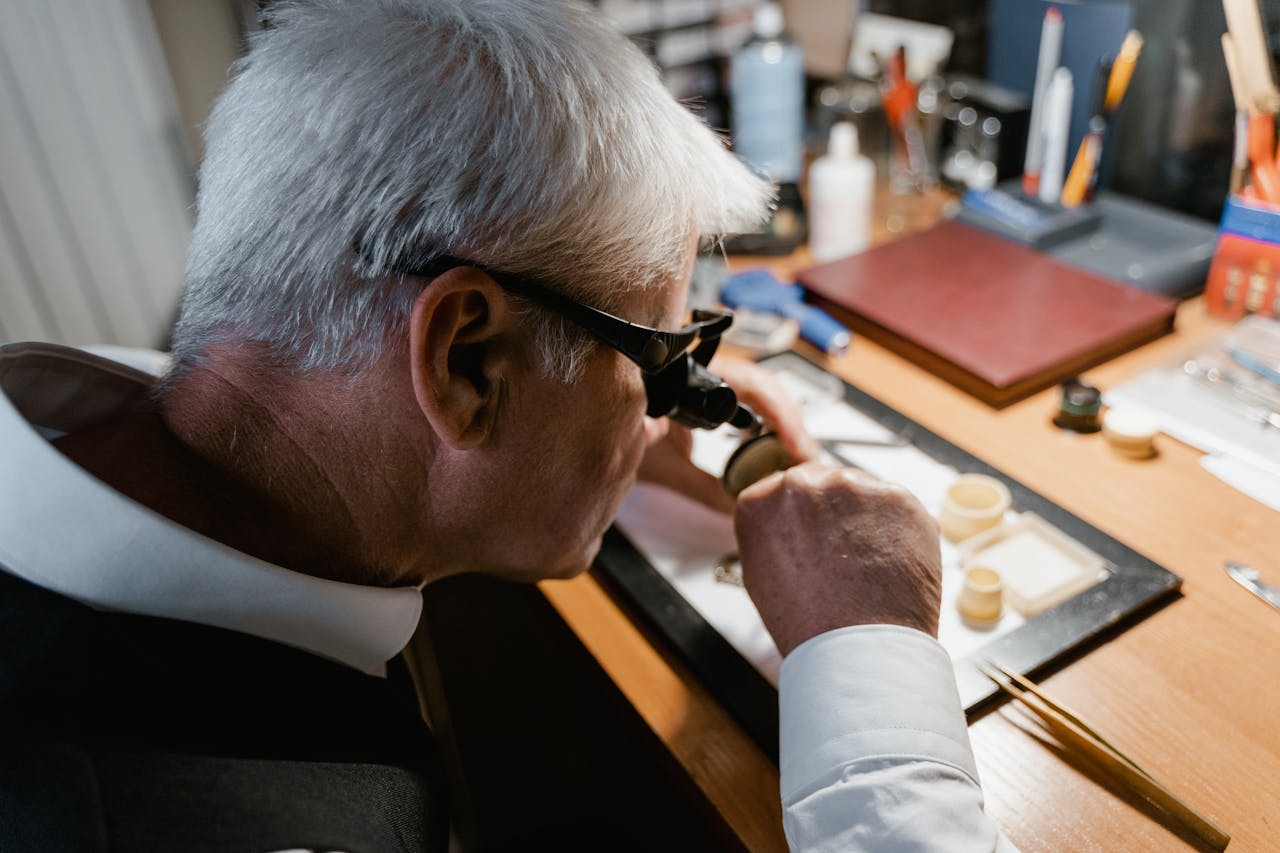
If you are weighing a sale, start by reading up on how a proper house approaches verification — Auction Wallstreet explains its process on its authenticity page, and it is a useful yardstick for what real due diligence looks like before fine art, antiques, jewelry or watches go under the hammer.
“I assumed my mother’s brooch was costume. Verified, attributed, and it outsold every other piece in the estate.” — Eleanor, Pompano Beach
“The certificate cost me a small fee and added a zero I genuinely did not expect.” — Raymond, Boca Raton